The Pumpkin and The Pumpkin: Integrating Playful Typography into Professional Workflows
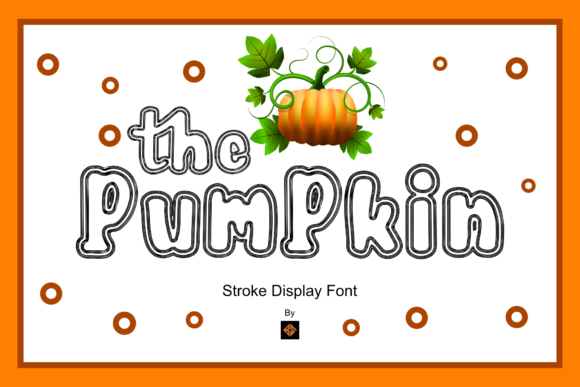
In the landscape of digital design, typography is rarely just about readability; it is a primary driver of emotional response and brand identity. While many designers gravitate toward sterile, minimalist sans-serifs for corporate communications, there is a distinct niche where personality takes precedence over uniformity. This is where The Pumpkin and The Pumpkin enters the workflow. Described as a fun, jolly, and incredibly charming display font, it embodies playfulness and authenticity. For professionals ranging from educators to small business owners, understanding how to integrate such a specific typeface into broader projects requires more than aesthetic appreciation—it demands strategic implementation.
Defining the Role of The Pumpkin in Design Systems
To understand how The Pumpkin and The Pumpkin fits into a project, one must first recognize its classification. It is not a body text font intended for long-form reading. Its character—jolly, authentic, and playful—makes it a display typeface. In a professional workflow, this distinction is critical. Using it incorrectly can lead to cognitive friction for the reader, whereas using it correctly creates an immediate emotional hook.
This font is particularly well-suited for contexts where engagement is the primary metric. Whether you are designing materials for a children’s activity center, a school newsletter, or a whimsical brand campaign, the font serves as a visual cue that signals approachability. It tells the viewer, "This is safe, this is fun, and this is authentic." For marketers and creators, leveraging this psychological signal early in the design process can significantly impact user interaction rates.
Compatibility with Other Design Assets
One of the most common challenges in integrating a bold display font like The Pumpkin is ensuring it does not clash with other elements in the composition. Because the font has high visual weight and distinct character shapes, it requires careful balancing. When pairing The Pumpkin with other tools or resources, consider the following:
- Neutral Pairings: Use clean, simple sans-serif fonts for body copy. The contrast between the playful header and the neutral text allows each element to perform its function without competing for attention.
- Color Palettes: The "pumpkin" theme often suggests warm autumnal tones, but the font’s charm works equally well with pastel palettes or bright primary colors. Avoid overly dark or muted backgrounds that might obscure the font’s intricate details.
- Whitespace Management: Display fonts need room to breathe. Ensure your layout includes ample padding around headings set in The Pumpkin to prevent visual clutter.
Pre-Project Planning and Asset Acquisition
Before any creative execution begins, the preparation phase involves securing the right assets and defining their usage rights. If you are a freelancer or agency owner, licensing is a non-negotiable step in the workflow. Ensure that the license for The Pumpkin covers your specific use case, whether that is print media, web embedding, or commercial merchandise.
During the planning stage, map out where the font will appear. Create a style guide snippet that defines the hierarchy. For example:
- H1 Headers: The Pumpkin (Large size, bold weight).
- Subheaders: A complementary geometric sans-serif (Medium weight).
- Body Text: A highly legible serif or sans-serif (Regular weight).
This pre-planning ensures consistency. Without a defined hierarchy, the playful nature of The Pumpkin can quickly overwhelm a design, leading to a chaotic final product. By establishing these rules early, you streamline the creation process and reduce the need for revisions later.
Implementation in Educational and Children’s Activities
As noted in its description, The Pumpkin is the perfect choice for any children’s activity or school project. However, implementing it effectively in educational settings requires an understanding of developmental psychology and literacy.
For educators and content creators developing learning materials, the font’s authenticity helps build trust with young learners. It feels less like a rigid institutional mandate and more like a friendly invitation to learn. When creating worksheets, certificates, or classroom decorations, use The Pumpkin to highlight key concepts or reward achievements. The visual warmth of the font can lower anxiety levels associated with testing or new tasks.
Consider the following practical applications:
- Certificate Design: Use The Pumpkin for the recipient’s name or the title "Achievement Unlocked." The jolly tone reinforces positive reinforcement.
- Activity Booklets: Use the font for instructions or section headers. Ensure the size is large enough for early readers to decode, leveraging the font’s clear letterforms.
- Event Signage: For school fairs or parent-teacher nights, signage set in The Pumpkin creates an inviting atmosphere that encourages attendance and participation.
Integration into Small Business and Marketing Workflows
For entrepreneurs and small business owners, differentiation is key. In a crowded market, brands that exhibit personality often outperform those that feel generic. The Pumpkin and The Pumpkin offers a way to inject personality into marketing collateral without resorting to clichés.
When launching a new product line aimed at families, hobbyists, or creative enthusiasts, incorporate the font into your social media graphics, email headers, and packaging labels. The font’s charm aligns well with brands that value community, creativity, and joy. However, caution is advised when applying this font to serious financial or legal documents. The mismatch between the font’s tone and the gravity of the content can undermine credibility.
A practical tip for marketers is to use The Pumpkin in seasonal campaigns. Given its name and aesthetic, it naturally lends itself to fall-themed promotions, harvest festivals, or Halloween-related content. By aligning the typography with the thematic context, you create a cohesive narrative that resonates with the audience’s current mindset.
Quality Control and Long-Term Maintenance
Once The Pumpkin has been integrated into your design system, ongoing quality control is necessary. Digital environments change, and fonts may render differently across various devices and browsers. Test your designs on mobile screens, tablets, and desktop monitors to ensure the font remains legible and retains its charm at smaller sizes.
Furthermore, maintain an organized library of your design assets. Store the font files in a centralized repository, accompanied by documentation on usage guidelines. This organization pays dividends during future projects. When a new client or team member joins, they can immediately understand how to use The Pumpkin correctly, reducing onboarding time and maintaining brand consistency.
Accessibility Considerations
While The Pumpkin is visually striking, accessibility should never be compromised. Screen readers do not interact with fonts, but the visual presentation affects users with low vision. Ensure that the contrast ratio between the text and background meets WCAG (Web Content Accessibility Guidelines) standards. If the font becomes too decorative at smaller sizes, switch to a simpler alternative for body text to ensure inclusivity.
Conclusion of Integration Strategy
The successful integration of The Pumpkin and The Pumpkin into professional workflows relies on balance, context, and strategic planning. It is not merely a decorative choice but a tool for communication. By understanding its playful nature and applying it to appropriate contexts—such as educational materials, family-oriented branding, and creative projects—you enhance the user experience and strengthen your message.
Remember that typography is part of a larger ecosystem. The Pumpkin works best when it supports the overall goal of the project, whether that is to educate, entertain, or sell. By treating it as a strategic asset rather than a mere stylistic flourish, you unlock its full potential to create authentic, engaging, and memorable designs.