Integrating Black Foroth into High-Impact Visual Workflows
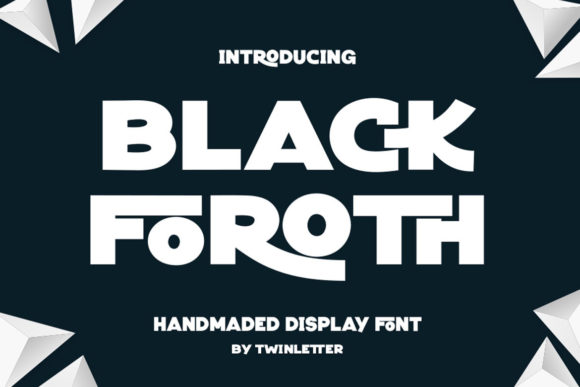
In the landscape of digital design and physical crafting, typography often serves as the silent architect of user experience. It dictates hierarchy, conveys mood, and establishes authority before a single image is processed. Among the vast array of typefaces available to creators, Black Foroth emerges not merely as a font choice but as a strategic asset for those seeking immediate visual impact. Characterized by its cool, bold, and thick letterforms, this display font is engineered to command attention. However, selecting a typeface is only the first step; the true value lies in how it integrates into your broader creative workflow, from initial concepting to final production.
This guide explores the practical application of Black Foroth across various professional and hobbyist domains. Whether you are a small business owner refining brand identity, a marketer designing campaign assets, or a crafter producing handmade goods, understanding the mechanics of using heavy display fonts will enhance the quality and efficiency of your output.
Understanding the Typography: Boldness as a Functional Tool
Black Foroth is defined by its substantial weight and geometric confidence. In design theory, "weight" refers to the thickness of the strokes that make up a letter. A heavy weight like Black Foroth reduces the need for supporting graphical elements because the text itself becomes the primary visual hook. This characteristic makes it particularly useful in environments where readability must be maintained at a distance or on small formats.
When planning a project, consider the cognitive load your audience faces. Heavy, bold fonts reduce processing time for viewers, allowing them to grasp the core message instantly. This is why Black Foroth is frequently selected for headlines, logos, and packaging labels. The "cool" aesthetic mentioned in its description suggests a modern, perhaps industrial or minimalist vibe, which pairs well with clean layouts and ample negative space. By leveraging this inherent boldness, designers can streamline their workflow, relying less on complex illustrations and more on typographic strength to convey professionalism.
Strategic Implementation in Branding and Identity
For entrepreneurs and marketers, establishing a consistent visual identity is crucial for long-term recognition. Integrating Black Foroth into a branding strategy requires careful consideration of contrast and pairing. Because the font is so dominant, it should rarely be used for body text. Instead, it serves best as a header or logotype.
- Logo Design: Use Black Foroth for the primary wordmark of a brand. Its thickness ensures legibility even when scaled down for social media avatars or favicon sizes. Ensure that the background color provides high contrast—white or light gray backgrounds work exceptionally well against the dark weight of the letters.
- Color Palette Selection: The "cool" tone of the font pairs naturally with monochromatic schemes, deep blues, charcoal grays, or stark black-and-white combinations. Avoid overly warm or pastel backgrounds, which can create visual vibration and reduce readability.
- Consistency Across Touchpoints: Once selected, maintain strict usage guidelines. Define clear rules for minimum size, spacing (kerning), and color variations. Consistency builds trust, and a bold font like Black Foroth reinforces that trust through its unwavering presence.
When implementing these elements, use vector-based software to ensure scalability. This prevents pixelation during printing or resizing, maintaining the crisp edges that define the font's character.
Crafting and Physical Production Workflows
The utility of Black Foroth extends beyond digital screens into the tangible world of crafting. For hobbyists and makers, this font elevates projects ranging from greeting cards to custom labels. The process of integrating a bold display font into physical media involves specific preparation steps to ensure the final product matches the digital preview.
Card Making and Stationery
In card design, space is often limited. Black Foroth allows you to fit impactful messages without cluttering the layout. When working with physical paper stocks, consider how the ink interacts with the surface. On textured papers, the thick strokes of Black Foroth may fill in slightly, softening the edges. To counter this, test print on a scrap piece first. If the result is too muddy, increase the contrast of the ink or choose a smoother paper stock. For embossed or debossed effects, the bold lines provide enough depth to create a tactile experience that digital fonts cannot replicate.
Labels and Packaging
Small business owners selling physical products benefit greatly from the clarity of Black Foroth on labels. Product names and key features need to stand out on crowded shelves. The font’s thickness ensures that the most critical information catches the eye immediately. When designing labels, prioritize hierarchy: use Black Foroth for the product name, and pair it with a lighter, sans-serif font for ingredients or descriptions. This combination balances boldness with readability.
Ensure that your label design accounts for bleed areas if you are sending files to a professional printer. Digital precision translates to physical quality only when margins and safety zones are respected. Test your designs at actual size on screen before exporting, as scaling issues are common when moving from desktop monitors to small label dimensions.
Digital Content and Marketing Assets
In the fast-paced environment of social media and web marketing, capturing attention within seconds is vital. Black Foroth serves as an effective tool for creating static graphics, banners, and thumbnail images. Its bold nature cuts through the visual noise of scrolling feeds.
When creating content, adhere to the rule of simplicity. Let the font do the heavy lifting. Avoid adding excessive filters, shadows, or gradients that might compete with the letterforms. Instead, focus on composition. Centered alignment often works best with display fonts, creating a sense of stability and importance. For dynamic layouts, try asymmetric placement to add energy while keeping the text readable.
Furthermore, consider accessibility. While bold fonts are generally easy to read, ensure that the color contrast meets Web Content Accessibility Guidelines (WCAG). Dark text on light backgrounds is standard, but if you use white text on a black background, verify that the stroke width remains distinct and does not merge due to screen glare or low-resolution displays.
Technical Preparation and Compatibility
Before diving into creation, proper file management and font installation are essential for a smooth workflow. Ensure that Black Foroth is correctly installed on your operating system and compatible with your preferred design software, such as Adobe Illustrator, Photoshop, Canva, or Affinity Designer.
- File Format: Always save your source files in editable formats (e.g., .AI, .PSD) rather than just flattened images. This allows for future edits without losing quality.
- Kerning and Tracking: Display fonts often require manual adjustment of spacing between letters. Black Foroth may look tighter or looser depending on the specific letter combinations. Take the time to adjust kerning pairs manually for logos and headlines to achieve a polished look.
- Backup and Licensing: Verify the licensing terms of Black Foroth. Ensure you have the right to use it for commercial purposes if you are selling products. Keep a backup of the font file in a secure cloud location to prevent loss during hardware failures.
Evaluating Outcomes and Iteration
Effective implementation is an iterative process. After deploying Black Foroth in a new project, gather feedback. Does the text feel overwhelming? Is it difficult to read on mobile devices? Are customers noticing the branding more clearly? Use these insights to refine future designs. Sometimes, reducing the size of the font or changing the background color can significantly improve performance.
By treating typography as a functional component of your workflow rather than an afterthought, you unlock greater efficiency and higher-quality results. Black Foroth, with its cool and bold presence, offers a powerful way to communicate strength and clarity. Whether you are launching a startup, crafting a personal gift, or managing a large-scale marketing campaign, integrating this font thoughtfully into your process will yield remarkable outcomes. Embrace its weight, respect its limitations, and let it elevate your creations with confident precision.