Teddy Unicorn: The Playful Display Font for Creative Projects
Visual communication is rarely just about conveying information; it is about setting a tone, evoking an emotion, and creating an immediate connection with the viewer. In the digital age, where attention spans are fragmented and visual noise is constant, selecting the right typography can be the difference between a project that feels professional and polished, and one that falls flat. For creators, educators, and small business owners looking to inject personality into their work, Teddy Unicorn has emerged as a distinctive choice that balances whimsy with readability.
This display font is not merely a decorative element; it is a strategic tool for design. It embodies playfulness and authenticity, making it particularly effective for projects targeting younger audiences or those aiming to soften a brand’s image. Whether you are designing a classroom poster, a children’s activity book, or a boutique marketing campaign, understanding how to leverage Teddy Unicorn can significantly enhance the impact of your visual storytelling.
Understanding the Design Philosophy Behind Teddy Unicorn
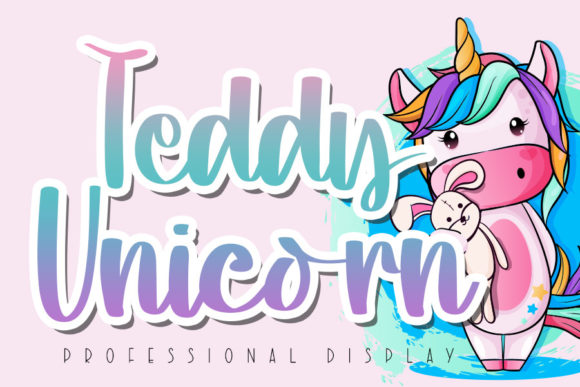
To appreciate why Teddy Unicorn works so well, it is helpful to look at its structural characteristics. Unlike rigid, geometric sans-serifs that convey corporate sterility, or overly ornate scripts that sacrifice legibility for style, this font occupies a unique middle ground. Its letterforms are rounded, slightly irregular, and inviting, mimicking the hand-drawn quality of authentic illustration while maintaining the consistency required for digital reproduction.
The "authenticity" mentioned in its description comes from its subtle imperfections. These micro-variations prevent the text from feeling machine-generated, giving it a human touch that resonates deeply with audiences seeking genuine connections. This is crucial for parents, teachers, and caregivers who value educational materials that feel crafted rather than mass-produced. When used correctly, Teddy Unicorn signals that care has been put into the creation process, which builds trust and engagement.
The Role of Playfulness in Modern Design
Playfulness in typography does not mean childishness; it means approachability. In a landscape dominated by minimalist aesthetics, a playful font like Teddy Unicorn stands out by breaking the monotony. It invites the reader in, lowering the barrier to entry for complex or serious topics. For instance, a financial literacy guide for teenagers might use serious data but employ Teddy Unicorn for headlines to reduce anxiety and make the content feel less intimidating.
This approach is particularly effective in education. Children respond to visual cues that suggest fun and exploration. By using Teddy Unicorn for headings in worksheets or activity sheets, educators can create a psychological environment where learning feels like an adventure rather than a chore. The font acts as a visual cue, preparing the student for an engaging experience before they even read the first word.
Practical Applications for Educators and Creators
The versatility of Teddy Unicorn extends across various domains where clarity and charm must coexist. Below are specific scenarios where this font delivers measurable benefits in terms of engagement and clarity.
- School Projects and Classroom Materials: Teachers often struggle to balance academic rigor with student engagement. Using Teddy Unicorn for titles on bulletin boards, name tags, or certificate templates can transform a standard classroom into a vibrant learning space. It helps organize information visually without overwhelming students with dense text.
- Children’s Activity Books and Worksheets: For hobbyists and self-publishers creating activity books, the font ensures that instructions are easy to scan. The distinct shapes of the letters help early readers distinguish between characters, supporting literacy development while keeping the aesthetic light and fun.
- Boutique Branding for Family-Focused Businesses: Small business owners selling toys, crafts, or educational services can use Teddy Unicorn in logos or social media graphics to signal their target demographic immediately. It communicates warmth and safety, key attributes for brands serving families.
- Digital Content and Blogging: Bloggers writing about parenting, education, or lifestyle can use this font sparingly for pull quotes or section headers. It breaks up long-form text, providing visual relief and encouraging readers to continue scrolling.
Enhancing Communication Through Strategic Typography
One of the most significant advantages of using Teddy Unicorn is its ability to simplify decision-making for the audience. When a design is visually clear and emotionally aligned with the content, users spend less cognitive effort deciphering the message. This efficiency is vital in fast-paced environments, such as social media feeds or busy retail packaging.
Consider a scenario where a local library is promoting a summer reading program. A standard serif font might convey tradition, but it may not capture the excitement of the event. Teddy Unicorn, with its energetic yet grounded presence, conveys both the importance of reading and the joy of discovery. This dual messaging helps librarians communicate their goals more effectively, potentially increasing participation rates.
Furthermore, the font supports authenticity in branding. Consumers today are skeptical of overly polished, corporate imagery. They crave brands that feel real and relatable. By incorporating Teddy Unicorn into their visual identity, entrepreneurs can humanize their business. It suggests that there are real people behind the product, fostering a sense of community and loyalty among customers.
Best Practices for Implementation
While Teddy Unicorn is a powerful tool, it requires thoughtful application to avoid diminishing its impact. As a display font, it is designed to be seen, not read in large quantities. Overusing it can lead to visual clutter and reduced readability, which defeats the purpose of clear communication.
- Use for Headlines and Short Text: Reserve Teddy Unicorn for titles, subtitles, buttons, and short phrases. Pair it with a clean, neutral sans-serif or serif font for body text. This contrast creates a hierarchy that guides the eye and ensures the content remains accessible.
- Maintain Adequate Spacing: Display fonts often require more white space around them to breathe. Ensure that margins and padding are generous, allowing the unique shapes of the letters to stand out without competing with other elements.
- Consider Context and Audience: While Teddy Unicorn is perfect for children’s activities, it may not be suitable for formal legal documents or high-end luxury branding. Always assess whether the tone matches the message. If the goal is to convey seriousness or authority, this font may undermine the intended perception.
- Test for Legibility: Before finalizing designs, test the font at various sizes and resolutions. Ensure that the details remain crisp and that the playful curves do not merge together when scaled down for mobile devices or print.
Comparing Options and Making Informed Choices
In the vast library of available typefaces, finding the right fit can be challenging. Some designers might consider similar whimsical fonts that lean too heavily into cartoonish styles, risking a loss of professionalism. Others might choose overly cursive options that compromise readability. Teddy Unicorn offers a balanced alternative that maintains structural integrity while delivering emotional resonance.
When evaluating typography options, it is essential to look beyond aesthetics. Consider the technical aspects, such as font weight variations, language support, and licensing terms. Teddy Unicorn provides a reliable foundation for these considerations, offering a consistent experience across different platforms. However, always compare multiple options based on your specific project needs. If you require extensive body text, a highly readable paragraph font should take precedence, with Teddy Unicorn used only for accent purposes.
Conclusion
Selecting the right typography is a critical step in effective visual communication. Teddy Unicorn stands out as a versatile and impactful choice for projects that require a blend of playfulness and authenticity. By understanding its strengths and limitations, professionals, educators, and creators can harness its power to engage audiences, simplify messages, and enhance the overall quality of their work. Whether you are designing a school project, a marketing campaign, or a personal blog, integrating Teddy Unicorn thoughtfully can add a layer of warmth and personality that resonates with viewers on a deeper level.