Coffee Paper: Why This Playful Display Font Is Taking Over Creative Projects
There is a specific kind of magic that happens when you pair the warmth of a morning brew with the crisp, clean lines of a well-chosen typeface. Enter Coffee Paper, a display font that doesn’t just sit on your screen—it invites you to take a seat, grab a mug, and get creative. If you have been scrolling through design feeds or browsing social media lately, you might have noticed its distinctive charm. It is not your standard corporate sans-serif, nor is it trying too hard to be an ornate script. Instead, Coffee Paper strikes a delightful balance between chic sophistication and genuine, unpretentious fun.
For designers, educators, and parents alike, finding a typeface that feels both professional and playful can feel like searching for a needle in a haystack. Most fonts lean heavily into one direction: either they are strictly business, or they are childish and hard to read at scale. Coffee Paper breaks this binary. It embodies a sense of authenticity that resonates with adults who want their projects to feel personal, while still being accessible enough for children’s activities. Whether you are designing a brand identity for a boutique bakery or putting together a classroom bulletin board, this font offers a versatile toolkit for visual storytelling.
The Vibe: Chic Meets Whimsical
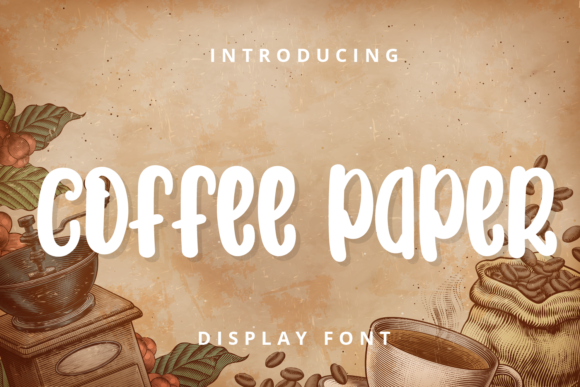
What makes Coffee Paper stand out is its personality. The name itself suggests comfort—think crinkled paper napkins, steam rising from a ceramic cup, and the cozy atmosphere of a local café. Visually, the font captures this essence. The letterforms have a slight irregularity that mimics hand-drawn sketching, but with enough structure to remain legible. It feels curated yet casual, which is exactly why it has become a favorite for lifestyle brands and creative entrepreneurs.
This duality is its greatest strength. You can use Coffee Paper to headline a sophisticated Instagram post about sustainable coffee sourcing, and it will look editorially sound. Switch the context, and use it for a "Summer Camp" flyer, and it immediately becomes inviting and energetic. It does not scream for attention; rather, it whispers with confidence. For audiences aged 20 to 50, who often juggle professional responsibilities with personal creative outlets, this balance is crucial. They want designs that look polished but don’t feel sterile.
Real-World Applications: Where Coffee Paper Shines
Understanding where a font fits in the real world is more valuable than listing its technical specifications. Here are several scenarios where Coffee Paper proves to be an invaluable asset.
Educational Materials and School Projects
Teachers and parents know the struggle of making learning materials engaging without sacrificing readability. Coffee Paper is perfect for school projects because it captures the imagination of younger students while remaining clear enough for older readers. Imagine a science fair poster titled "The Life Cycle of a Butterfly." Using a rigid Arial would make it look like a textbook; using a chaotic graffiti font might distract from the content. Coffee Paper hits the sweet spot. It adds a layer of approachability that encourages kids to engage with the material. It works wonderfully for:
- Classroom Decor: Name tags, alphabet charts, and motivational posters.
- Homework Covers: Adding a touch of flair to project binders and report covers.
- Event Flyers: Announcing parent-teacher nights or school plays with a friendly tone.
Small Business Branding and Packaging
In the crowded market of small businesses, standing out requires a unique voice. Coffee Paper is particularly effective for brands that want to convey warmth, community, and quality. It is an excellent choice for:
- Cafés and Bakeries: As the name implies, it fits naturally into food and beverage branding. Menu boards, takeaway cups, and signage benefit from its rustic yet refined aesthetic.
- Handmade Goods: Etsy sellers and crafters use it for labels, tags, and packaging inserts. It suggests that the product was made with care and attention to detail.
- Lifestyle Blogs: Content creators focusing on home decor, parenting, or wellness often use Coffee Paper for headers to create a cohesive, inviting digital experience.
Social Media and Digital Content
Digital spaces are noisy. To capture attention in a feed, your typography needs to pop. Coffee Paper’s playful nature makes it ideal for creating eye-catching quotes, announcements, and event graphics. Because it has a distinct character, it helps build brand recognition. When users see that specific texture and style, they start to associate it with your unique voice. It is particularly effective for:
- Instagram Stories and Posts: Creating quick, aesthetically pleasing text overlays.
- Email Newsletters: Breaking up long blocks of text with playful headers that encourage reading.
- Podcast Artwork: Giving a show a friendly, conversational vibe right from the thumbnail.
Who Benefits From Coffee Paper?
The versatility of Coffee Paper means it serves a wide range of users, each deriving different benefits from its characteristics.
For Parents and Educators: The primary benefit is engagement. Children respond to visuals that feel less like "work" and more like play. Coffee Paper helps bridge the gap between educational content and recreational interest. It makes homework look less daunting and classroom activities more exciting. Furthermore, its readability ensures that even as children learn to decode letters, the font supports their progress without causing frustration.
For Small Business Owners: The benefit here is differentiation. In a sea of minimalist, monochrome logos, Coffee Paper offers a way to inject personality without looking amateurish. It allows a small business to compete with larger corporations by offering a human touch that big brands often lack. It signals to customers that this is a place where they are welcomed, not just another transaction.
For Graphic Designers: The benefit is efficiency and mood-setting. Instead of spending hours tweaking kerning or searching for a custom illustration to set a tone, a designer can drop in Coffee Paper and instantly establish a cheerful, authentic atmosphere. It reduces the cognitive load of decision-making, allowing the designer to focus on layout and color harmony.
Practical Considerations Before You Use It
While Coffee Paper is a fantastic tool, like any font, it has limitations that smart users keep in mind. Understanding these nuances will help you avoid common pitfalls.
Legibility at Small Sizes: Display fonts are designed to be seen from a distance. While Coffee Paper is quite readable, its playful details may disappear if scaled down too small. Avoid using it for body text in long articles or fine print on legal documents. Reserve it for headlines, titles, short phrases, and labels. If you need to write paragraphs, pair it with a simple, neutral sans-serif or serif font to maintain clarity.
Overuse Can Dilute Impact: Because Coffee Paper is so charming, there is a temptation to use it everywhere. However, variety keeps design interesting. If every element on a page uses Coffee Paper, the design can become visually cluttered and lose its focal point. Use it strategically to highlight key messages. Let other elements breathe. A balanced composition often pairs Coffee Paper with cleaner, more understated typefaces.
Context Matters: While Coffee Paper is versatile, it is not appropriate for every situation. It lacks the gravitas needed for serious news reporting, legal contracts, or formal academic papers. It is best suited for contexts where warmth, creativity, and approachability are desired. Knowing when not to use it is just as important as knowing when to use it.
Final Thoughts on a Versatile Choice
Coffee Paper is more than just a collection of glyphs; it is a mood setter. It brings a sense of joy and authenticity to whatever it touches. Whether you are a teacher decorating a classroom, a barista designing a new menu, or a parent helping with a school project, this font offers a reliable way to communicate warmth and creativity. Its ability to straddle the line between chic and playful makes it a rare gem in the world of typography. By understanding its strengths and respecting its limitations, you can harness its power to create designs that are not only beautiful but also deeply connected to your audience.