Stitch Boy: A Playful Typography Solution for Creative Projects
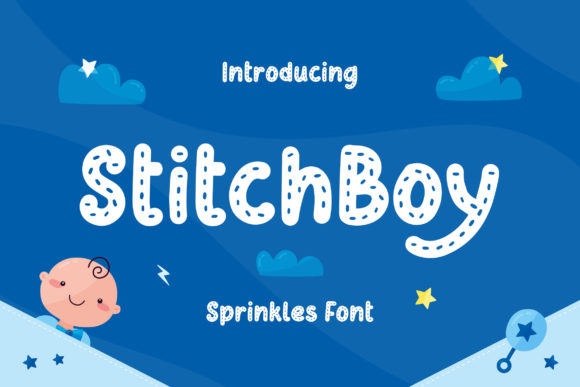
In the crowded landscape of digital content, capturing attention often comes down to a single, well-chosen element: typography. For designers seeking to inject warmth, authenticity, and genuine playfulness into their work, Stitch Boy emerges as a distinctive and effective choice. This sweet and playful display font embodies a sense of handcrafted charm that resonates deeply with audiences looking for connection rather than just information. It is not merely a typeface; it is a visual voice that speaks directly to creativity, making it an ideal asset for children’s activities, school projects, and any design endeavor requiring a touch of whimsical professionalism.
From a graphic design perspective, selecting the right font is about more than aesthetics; it is about establishing a clear visual hierarchy and setting the emotional tone of your project. Stitch Boy achieves this by balancing readability with character. Its unique letterforms suggest movement and joy, which can significantly enhance user engagement in contexts where comfort and approachability are paramount. Whether you are crafting a brand identity for a toy company or designing educational materials, understanding how to leverage such creative assets can elevate your overall design workflow and final presentation.
The Role of Playful Typography in Modern Branding
Modern branding has shifted away from rigid, corporate uniformity toward more human-centric approaches. Consumers today respond positively to brands that feel authentic and relatable. This is where fonts like Stitch Boy shine. By incorporating a typeface that embodies playfulness and authenticity, designers can create a stronger emotional bond with their audience. In visual design, this translates to increased trust and recognition. When used correctly, Stitch Boy does not overpower the message but rather supports it, adding a layer of personality that static sans-serif or serif fonts might lack.
For businesses aiming to improve their brand identity, consistency is key. Using a font that aligns with your core values ensures that every touchpoint—from social media graphics to packaging design—feels cohesive. Stitch Boy’s friendly curves and informal structure make it particularly suitable for industries focused on family, education, and leisure. It helps establish a professional yet inviting atmosphere, ensuring that your communication feels accessible to all ages.
Practical Applications Across Design Disciplines
The versatility of Stitch Boy allows it to be integrated into various aspects of creative projects. Here are several practical ways to utilize this font effectively:
- Branding and Logo Design: Use Stitch Boy for wordmarks in logos targeting families or creative agencies. Pair it with a clean, modern icon to balance the playfulness with stability.
- Social Media Graphics: Create eye-catching posts for Instagram or Pinterest. The font’s distinct shape stands out in feeds, encouraging clicks and shares when used for quotes, announcements, or event promotions.
- Packaging Design: On product labels, especially for toys, snacks, or craft kits, Stitch Boy adds shelf appeal. It communicates fun immediately, influencing purchasing decisions through visual cues.
- Editorial and Print Design: Ideal for headlines in newsletters, flyers, or brochures related to schools, camps, or community events. It draws the reader in before they even process the text.
- Web and UI Design: While body text requires high readability, Stitch Boy serves perfectly for hero sections, call-to-action buttons, or section headers on websites dedicated to creative services or children’s products.
Best Practices for Implementation
To maximize the impact of Stitch Boy, designers must consider factors beyond mere selection. Scalability is crucial; ensure the font remains legible at various sizes, from large billboards to small mobile screens. Additionally, pay close attention to the color palette. Since Stitch Boy is visually busy due to its textured appearance, it pairs best with solid, complementary colors that do not compete for attention. A soft pastel background or a bold primary color can help the text pop while maintaining a clean visual hierarchy.
When integrating Stitch Boy into a broader design system, limit its use to display purposes. Avoid using it for long paragraphs of body copy, as this can fatigue the reader. Instead, reserve it for titles, subtitles, and short phrases. This strategic application ensures that the font’s unique character enhances the design without compromising usability. Furthermore, combine it with simpler, neutral typefaces for secondary information. This contrast creates a balanced composition, guiding the viewer’s eye naturally through the content.
Ultimately, thoughtful design choices are what separate amateur efforts from professional presentations. By leveraging high-quality creative assets like Stitch Boy, designers can communicate more effectively, evoke the right emotions, and build stronger connections with their audience. Whether you are working on a personal creative project or a commercial campaign, choosing the right typography is a powerful step toward achieving clarity, beauty, and impact in your visual storytelling.