Screamlow: Navigating the Spooky Side of Display Typography
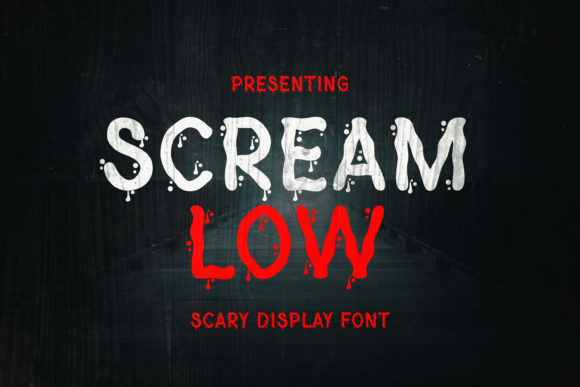
When you are designing for a specific mood, typography does more than just convey text; it sets the emotional stage. For projects requiring an immediate sense of unease, mystery, or classic horror aesthetics, Screamlow has emerged as a distinctive choice. This scary-looking and spooky display font is perfectly suitable for any Halloween-related project or crafty idea. However, selecting a typeface with such a strong personality requires more than just clicking "download." It demands an understanding of how extreme visual styles interact with readability, brand identity, and user experience.
Many designers, particularly those new to thematic branding, make the mistake of treating display fonts like body text. Screamlow is not designed for long-form reading. Its jagged edges, irregular spacing, and intense character shapes are meant to grab attention in short bursts. If you attempt to use it for paragraphs of instructional content, your audience will likely struggle to read the message, leading to frustration rather than fear. The only limit is your imagination, but that imagination must be tempered by practical design principles to ensure your project remains effective.
Understanding the Visual Weight of Screamlow
Before integrating Screamlow into your workflow, it is crucial to analyze its visual weight. Unlike neutral sans-serif or serif fonts that recede into the background, Screamlow dominates the space it occupies. This dominance is its greatest asset and its most significant liability. When used correctly, it creates an instant atmosphere. Think of movie posters for slasher films, flyers for haunted houses, or labels for artisanal hot sauces. In these contexts, the font acts as a graphic element itself.
A common error occurs when creators pair Screamlow with other overly busy elements. Because the font already has high visual noise, adding complex backgrounds, excessive textures, or competing decorative graphics can result in a chaotic composition that confuses the viewer. To avoid this, practice negative space. Let the letters breathe. Surrounding Screamlow with ample empty space allows the eye to focus on the unique shapes of the characters without distraction. This approach elevates the design from amateurish to professional, ensuring the spooky aesthetic feels intentional rather than accidental.
The Readability Trap
One of the most overlooked details when evaluating display fonts is legibility at small sizes. Screamlow is intended for headlines, titles, and large-scale displays. Attempting to shrink this font down to fit into a footer, a small button, or a dense block of text will render it nearly indecipherable. The intricate details that give the font its character become muddy blobs when scaled down too far.
To correct this, always test your typography at the actual size it will appear on the final medium. If you are designing a website, check how Screamlow looks on mobile screens. If you are printing a flyer, view a printed proof at eye level. If the text becomes hard to read, switch to a simpler, complementary font for secondary information. A clean, minimal sans-serif can provide excellent contrast against the chaos of Screamlow, guiding the reader’s eye to the essential details without fighting for attention.
Context Matters: Where Screamlow Fits Best
Not every dark theme requires Screamlow. While it is perfect for Halloween decorations, gothic-themed events, or horror game assets, it may clash with modern, minimalist, or corporate identities. Using a font associated with terror in a professional business report or a friendly educational blog can create cognitive dissonance for your audience. They may perceive your brand as unprofessional or inappropriate for the context.
Instead, reserve Screamlow for moments where the tone explicitly calls for it. Here are some realistic applications where this font shines:
- Event Posters: Concerts, festivals, or parties with a horror theme benefit from the immediate recognition of the style.
- Product Packaging: Specialty items like candy, costumes, or themed beverages can use Screamlow to stand out on shelves.
- Social Media Graphics: Short, punchy quotes or announcements during October can leverage the font to boost engagement through seasonal relevance.
- Digital Headers: Website banners or email subject lines that need to capture attention quickly can utilize the font’s dramatic presence.
By aligning the font choice with the intent of the communication, you ensure that the design supports your message rather than obscuring it.
Licensing and Ethical Usage
Another area where many users stumble involves licensing. Because Screamlow is a specialized display font, it may come with specific usage restrictions. Some fonts are free for personal use only, meaning you cannot use them in commercial products that you sell, such as t-shirts, mugs, or digital templates. Others may require a separate license for web embedding or broadcast use.
Failing to check these terms can lead to legal issues and unexpected costs. Before incorporating Screamlow into any project, especially if it involves monetization, verify the license agreement. Look for clear statements regarding commercial use, redistribution, and modification. If the source is unclear, contact the designer or purchase a proper license. This step protects your work and respects the intellectual property of the type designer, ensuring you can use the font with confidence and peace of mind.
Pairing Strategies for Balance
Even within a spooky theme, balance is key. Pairing Screamlow with another font can enhance readability while maintaining the aesthetic. Good pairing strategies include:
- High Contrast: Use a simple, geometric sans-serif for body text. The neutrality of the second font allows Screamlow to take center stage without competition.
- Thematic Consistency: For a more unified look, choose a second font that shares similar characteristics, such as a distressed serif or a handwritten script that complements the rough edges of Screamlow. Avoid pairing it with elegant, high-contrast serifs unless you are aiming for a very specific, perhaps ironic, juxtaposition.
- Color Coordination: Use color to differentiate hierarchy. A bright orange or blood red for Screamlow headlines against a black or dark gray background creates immediate impact. Keep secondary text in white or light gray for clarity.
Evaluating Quality Before Implementation
Not all versions of Screamlow available online are created equal. Downloaded fonts from unverified sources may contain corrupted glyphs, inconsistent kerning, or missing characters. These technical flaws can ruin a professional presentation. Always inspect the font file before using it in a critical project. Check for complete character sets, including punctuation and numbers, which are often needed in design layouts.
If you notice uneven spacing or broken letterforms, consider sourcing the font from a reputable marketplace or contacting the foundry directly. Investing time in finding a high-quality version pays off in the final output. A well-kerned font looks polished and deliberate, whereas a poorly constructed one appears sloppy, regardless of how spooky the design concept is.
Ultimately, Screamlow is a powerful tool in the designer’s arsenal. It offers a unique way to evoke emotion and set a scene. By avoiding common pitfalls related to scale, context, licensing, and quality control, you can harness its full potential. Remember that the best designs are not just about looking scary; they are about communicating effectively within the chosen aesthetic. With careful planning and respectful usage, Screamlow can elevate your Halloween projects and creative ideas to new heights, proving that the only limit is indeed your imagination.