Spider Web: The Ultimate Spooky Display Font for Halloween Projects
When the air turns crisp and the days grow shorter, designers, educators, and hobbyists alike begin searching for that perfect visual element to capture the season’s eerie spirit. It isn’t just about slapping a pumpkin icon on a flyer anymore; it is about creating an atmosphere. For many professionals working in seasonal marketing, party planning, or educational content creation, typography plays a pivotal role in setting the tone before a single word is even read. This is where Spider Web steps into the spotlight.
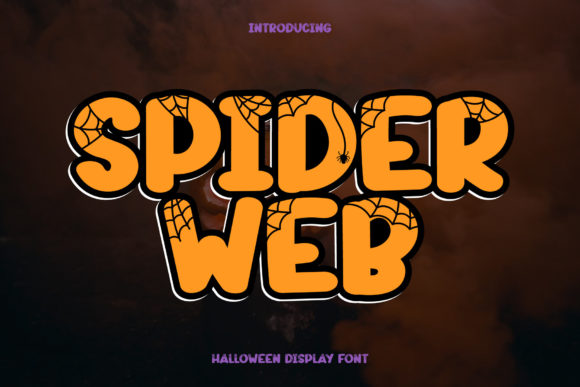
Spider Web is not merely a typeface; it is a statement piece. Designed with a distinctively cool and spooky aesthetic, this display font mimics the intricate, delicate, yet menacing structure of actual arachnid silk. Whether you are crafting a digital invitation for a corporate Halloween mixer, designing a poster for a local haunted house, or simply adding a touch of whimsical horror to a classroom bulletin board, Spider Web offers a versatile solution. The only limit is your imagination, but understanding how to wield this font effectively can elevate your projects from amateur to professional.
Understanding the Aesthetic Appeal of Spider Web
To appreciate why Spider Web is a go-to choice for Halloween-related projects, one must first look at its structural characteristics. Unlike standard serif or sans-serif fonts that prioritize readability above all else, display fonts like Spider Web are designed to be seen. They grab attention. The letters themselves often feature elongated tails, jagged edges, or connecting lines that resemble strands of webbing stretching between characters. This creates a cohesive visual texture that feels organic and slightly unsettling in the best possible way.
The strength of Spider Web lies in its ability to convey mood instantly. When a viewer sees text rendered in this style, their brain immediately associates it with mystery, danger, or playful fright. This psychological trigger is invaluable for marketers and creators. You do not need to explain the theme of your event or product; the typography does the heavy lifting. It communicates "Halloween" before the user processes the specific details of the message.
- Intricate Detail: The fine lines mimic real spider webs, adding depth and complexity to headlines.
- Versatile Tone: It can range from genuinely scary to cartoonishly cute, depending on the color palette and context.
- High Impact: As a display font, it commands space and draws the eye immediately.
Practical Applications Across Different Sectors
While Spider Web is undeniably thematic, its utility extends beyond simple decoration. Professionals in various fields can leverage this font to enhance engagement and brand identity during the Q4 holiday season. Here is how different groups can apply Spider Web in real-world scenarios.
Marketing and Branding for Small Businesses
For small business owners and entrepreneurs, Halloween presents a unique opportunity to boost social media engagement and foot traffic. A coffee shop might use Spider Web for a limited-time "Spiced Pumpkin Latte" menu board. A bookstore could feature it on posters for horror novel recommendations. Because the font is distinctive, it helps brands stand out in crowded social media feeds. However, restraint is key. Use Spider Web for headlines, slogans, or short phrases. Avoid using it for long paragraphs of body text, as the decorative nature will hinder readability and frustrate potential customers.
Educational Content and Classroom Decor
Educators and bloggers targeting parents or teachers find immense value in Spider Web for making learning materials more engaging. Imagine a science lesson on arachnids or a history unit on ancient myths involving spiders. Using Spider Web for the title slides or handout headers adds a layer of thematic immersion that captures students' attention. It transforms mundane worksheets into exciting activities. Furthermore, for school newsletters or end-of-term announcements, a subtle use of the font can add a festive touch without compromising professionalism.
Digital Design and User Experience
In the realm of web design and app development, seasonal themes are common for tech companies looking to humanize their brand. A gaming company launching a horror-themed update, or a productivity app offering a "spooky focus mode," can utilize Spider Web for splash screens and notification badges. The font’s high contrast and sharp lines render well on digital displays, ensuring that the visual impact remains strong whether viewed on a mobile device or a large desktop monitor. Just ensure that accessibility standards are met by providing sufficient contrast between the text and the background.
Strategic Implementation Tips
Using Spider Web effectively requires a strategic approach. It is a powerful tool, but like any tool, it can be misused. Here are practical considerations to keep in mind when integrating this font into your projects.
- Pairing with Complementary Fonts: Spider Web is too busy to stand alone in a complex layout. Pair it with a clean, simple sans-serif font for body copy. This contrast ensures that while the headline grabs attention, the information remains easy to digest. For example, use Spider Web for the main title "Trick or Treat" and a clean Arial or Helvetica for the date and location details.
- Color Psychology: The effectiveness of Spider Web is heavily influenced by color. Traditional orange and black create a classic Halloween vibe. However, modern designs often experiment with neon green against dark purple, or stark white against deep charcoal. These combinations can make the font feel more contemporary and less cliché.
- Spatial Awareness: Because the letters may have extended serifs or web-like connections, allow for extra whitespace around the text. Crowding Spider Web with other elements can make the design look cluttered and messy. Let the font breathe to maintain its elegant, skeletal appearance.
Why Spider Web Enhances Communication
Beyond aesthetics, the use of appropriate typography impacts communication efficiency. In a world saturated with visual noise, a unique font like Spider Web acts as a visual anchor. It signals to the audience that they are entering a specific context—whether that is a festive celebration or a thrilling narrative. This contextual signaling reduces cognitive load; the audience understands the intent of the message quickly because the visual cues align with their expectations.
For freelancers and creatives, mastering the use of niche fonts like Spider Web also demonstrates versatility. It shows clients that you understand how to tailor visual language to specific campaigns. Whether it is a commercial project requiring a lighthearted approach or a personal craft idea demanding authenticity, Spider Web provides the flexibility to meet those needs. It bridges the gap between functional design and artistic expression, allowing creators to tell stories through letterforms.
Final Thoughts on Creative Freedom
Ultimately, the value of Spider Web lies in its adaptability. It is not restricted to traditional Halloween imagery. Experiment with scale, rotation, and texture. Overlay it on images of misty graveyards, place it on transparent backgrounds for layered effects, or combine it with metallic foils for print materials. The font serves as a canvas for your creativity.
As you plan your next seasonal project, consider the role of typography in your overall design strategy. Spider Web offers a ready-made solution for injecting spookiness and style into your work. By applying it thoughtfully and balancing it with readable supporting elements, you can create designs that are not only visually striking but also effective in communicating your message. Remember, in design, as in life, the details matter. And sometimes, the most important detail is the one that looks like a spider web.