Evaluating Snowly: A Practical Guide to Using This Cheerful Display Type
Selecting the right typography for a design project is rarely about finding a single "perfect" font. Instead, it involves identifying a typeface that aligns with specific emotional tones, readability requirements, and technical constraints. For projects requiring warmth, playfulness, or seasonal cheer, Snowly has emerged as a notable option in the display font category. Designed with a cute and jolly aesthetic, this typeface offers distinct characteristics that make it suitable for targeted applications, though it comes with inherent tradeoffs when compared to more versatile sans-serif or serif options.
This analysis explores what makes Snowly distinct, how it fits into broader typographic categories, and practical scenarios where its unique personality shines—or falls short. By understanding its strengths and limitations, designers and content creators can make informed decisions about whether Snowly is the right tool for their specific needs.
Understanding the Visual Identity of Snowly
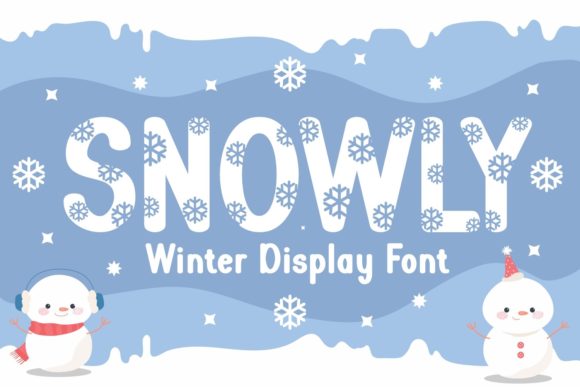
At its core, Snowly is a display font, meaning it is designed primarily for large sizes rather than body text. Its defining characteristic is its "cute and jolly" demeanor. The letterforms typically feature rounded edges, irregular baselines, and a hand-drawn quality that suggests approachability and fun. Unlike geometric sans-serifs that prioritize neutrality and efficiency, Snowly leans heavily into expression.
The name itself evokes imagery of winter, snowflakes, and cold-weather festivities, which influences its visual structure. You will often notice subtle details in the terminals (the ends of strokes) that mimic the softness of snow or the whimsy of children’s illustrations. This intentional design choice creates an immediate emotional connection with the viewer, signaling friendliness and lightheartedness before a single word is read.
However, this strong personality is also its primary constraint. Because Snowly is so expressive, it demands attention. It cannot hide in the background; it must be the focal point. This makes it less suitable for dense informational layouts where clarity and speed of reading are paramount.
Distinguishing Features and Design Nuances
- Rounded Geometry: Most characters lack sharp corners, contributing to a softer, safer visual tone. This reduces visual aggression and enhances accessibility for younger audiences.
- Irregular Spacing: To maintain a hand-crafted feel, the spacing between letters may vary slightly more than in standard fonts. This adds character but requires careful kerning adjustments in professional design software.
- Seasonal Association: While not exclusively a "winter" font, its aesthetic strongly correlates with holiday themes. Using it outside of these contexts requires deliberate styling to avoid unintended thematic associations.
Comparing Snowly to Alternative Display Styles
When evaluating Snowly, it is helpful to compare it against other common display font categories. Designers often choose from three main buckets: playful/handwritten, geometric/modern, and decorative/seasonal. Snowly sits comfortably at the intersection of playful and decorative.
Versus Standard Handwritten Fonts
Many designers consider generic handwritten fonts when they want a personal touch. However, true handwriting fonts can suffer from legibility issues at smaller sizes due to inconsistent stroke weights and complex ligatures. Snowly simplifies these complexities. While it retains the charm of handwriting, it standardizes the letterforms enough to remain readable at medium sizes. This makes it a more robust choice for digital interfaces or print materials where users might scan quickly, such as social media graphics or event banners.
Versus Geometric Sans-Serifs
Geometric sans-serifs (like Futura or Montserrat) are popular for their clean, modern look. They are neutral, allowing the content to take center stage. In contrast, Snowly *is* the content’s voice. If a brand aims for professionalism, minimalism, or corporate stability, Snowly would likely clash with those values. However, if the goal is to evoke nostalgia, joy, or creativity, Snowly provides an emotional layer that geometric fonts cannot achieve without additional graphic elements.
Versus Other Seasonal Fonts
The market contains numerous fonts explicitly designed for Christmas or winter themes. Some rely on heavy serifs to mimic traditional elegance, while others use glitter effects or 3D rendering. Snowly distinguishes itself through its simplicity and cuteness rather than ornate decoration. It avoids the kitschiness that can plague overly decorated holiday fonts, making it a safer choice for brands that want to participate in seasonal trends without appearing childish or tacky.
Best-Fit Use Cases for Snowly
Identifying where Snowly excels requires matching its personality to appropriate mediums. Its "jolly" nature is an asset in contexts where engagement and emotional resonance are prioritized over strict information hierarchy.
Children’s Products and Education
One of the strongest applications for Snowly is in materials targeting children. Whether designing worksheets, game interfaces, or packaging for toys, the font’s friendly appearance helps lower anxiety and invites interaction. Parents and educators often prefer typography that feels safe and approachable, and Snowly delivers this effectively. It pairs well with bright colors and simple illustrations, creating a cohesive visual language for early learning resources.
Holiday Marketing and Greetings
As implied by its name, Snowly is highly effective for winter-related designs. Holiday cards, social media posts for December, and promotional banners for winter sales benefit from its thematic relevance. However, because the font is so strongly associated with winter, using it for non-seasonal campaigns can create cognitive dissonance. It is best reserved for time-sensitive marketing efforts where the seasonal context is clear to the audience.
Creative Personal Projects
For individuals working on scrapbooks, party invitations, or personal blogs, Snowly adds a lovely touch without requiring advanced design skills. Its ready-made charm means that even amateur designers can produce visually appealing results. The font’s versatility within the "cute" spectrum allows it to work in both pastel-themed palettes and vibrant, high-contrast designs.
Limitations and Decision Factors
No font is universally applicable, and Snowly is no exception. Understanding its limitations is crucial for avoiding design missteps.
Legibility at Small Sizes
Like most display fonts, Snowly loses its effectiveness when scaled down. On mobile devices or in footers, the rounded details may blur or become indistinct, reducing readability. For body text, pairing Snowly with a highly legible sans-serif or serif font is essential. Relying solely on Snowly for long-form content will frustrate readers and increase bounce rates on digital platforms.
Lack of Formal Versatility
If a brand identity requires a wide range of tonal shifts—from serious announcements to celebratory headlines—Snowly may not provide enough range. It lacks the gravitas needed for formal communications, legal notices, or news reporting. In these cases, sticking to neutral typefaces ensures that the message is perceived with the appropriate level of seriousness.
Overuse and Fatigue
Because Snowly is so distinctive, overusing it can lead to visual fatigue. When every element of a layout uses the same jolly font, the design can feel chaotic or unprofessional. Strategic restraint is key. Use Snowly for headlines, logos, or key call-to-action buttons, and let other typefaces handle the supporting information.
Practical Tips for Implementation
To get the most out of Snowly, consider the following practical guidelines during the design process:
- Pairing Strategy: Combine Snowly with a clean, neutral font for body text. This creates a balance between personality and readability. Avoid pairing it with other decorative fonts, as this can result in a cluttered and competing visual hierarchy.
- Color Considerations: Snowly’s soft curves pair well with warm colors like reds, oranges, and creams, reinforcing its jolly nature. However, it also works surprisingly well with cool blues and silvers for a wintery theme. Test different color combinations to see how they affect the font’s perceived weight and mood.
- Kerning Adjustments: Due to the irregular shapes of some letters, automatic kerning may not always yield optimal results. Manually adjusting spacing between specific character pairs (such as 'A' and 'V' or 'L' and 'T') can significantly improve the overall polish of the design.
- Contextual Relevance: Always ask if the font matches the occasion. Is the message light-hearted? Is the audience young or casual? If the answer is yes, Snowly is likely a strong candidate. If the message is urgent, serious, or complex, reconsider your choice.
Conclusion on Suitability
Snowly is a specialized tool in the designer’s arsenal. It is not a replacement for foundational typefaces but rather a complementary asset for adding warmth and character. Its strength lies in its ability to instantly communicate a positive, festive, and child-friendly tone. For projects centered around children’s games, winter celebrations, or creative personal expressions, Snowly offers an excellent balance of charm and usability.
However, designers must remain mindful of its limitations regarding legibility and formality. By comparing Snowly against alternatives and carefully evaluating the specific needs of each project, you can determine whether its cute and jolly personality is the right fit. When used strategically, Snowly can elevate a design from merely functional to genuinely engaging, leaving a lasting impression on your audience.