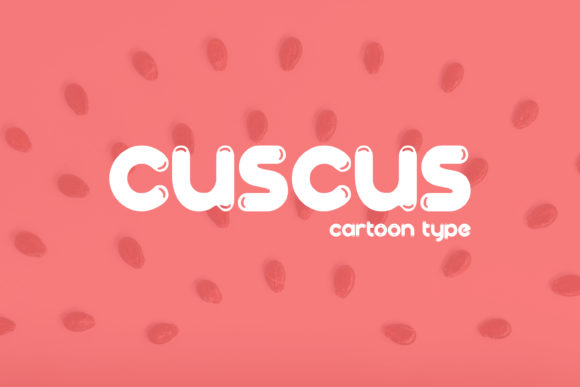
Why Cuscus is the Perfect Font for Adding Joy to Your Creative Projects
In the world of graphic design and visual communication, typography is rarely just about readability; it is about emotion. It sets the tone, establishes a mood, and often serves as the primary vehicle for brand personality. When you are looking to inject a sense of playfulness, warmth, and bubbly energy into your work, finding the right typeface can feel like searching for a needle in a haystack. Many designers struggle with fonts that feel too childish or, conversely, too polished and sterile. Enter Cuscus, a display font that strikes a perfect balance between cute aesthetics and professional usability.
Cuscus is not merely a decorative element; it is a tool designed to evoke happiness. Whether you are a freelance designer crafting a brand identity for a startup, a teacher creating engaging classroom materials, or a hobbyist designing custom gifts, understanding how to leverage a font like Cuscus can significantly elevate the emotional impact of your designs. This article explores what makes Cuscus unique, the specific challenges it solves, and practical ways to integrate it into your workflow for maximum effect.
Understanding the Appeal of Bubbly Typography
Before diving into the specifics of Cuscus, it is important to understand why "cute" and "bubbly" fonts have become so prevalent in modern design. In an era where digital interfaces are often cold and utilitarian, there is a growing consumer desire for warmth and approachability. Soft curves, rounded edges, and irregular baselines signal friendliness and accessibility. These characteristics reduce cognitive load and make content feel less intimidating.
The challenge for many creators is maintaining legibility while achieving this aesthetic. Some playful fonts sacrifice readability for style, making them unsuitable for anything beyond short headlines. Others lack character, appearing generic or overused. The goal is to find a typeface that retains its charm without compromising clarity. This is precisely where Cuscus shines. Its design language is built on soft, rounded forms that mimic the fluidity of bubbles or marshmallows, creating an immediate association with joy and lightness.
How Cuscus Addresses Common Design Challenges
Designers often face several hurdles when trying to create content that feels both fun and functional. Cuscus offers solutions to these common pain points through its versatile structure and inviting appearance.
- Avoiding the "Too Childish" Trap: One of the biggest risks with bubbly fonts is alienating adult audiences by making the design look like it was intended only for toddlers. Cuscus mitigates this by maintaining clean proportions and consistent spacing. While it is undeniably cute, it possesses a sophistication that allows it to work in contexts aimed at older children and adults alike, such as lifestyle brands or wellness apps.
- Creating Instant Brand Recognition: In a crowded market, standing out is essential. A standard sans-serif might be safe, but it is rarely memorable. Using Cuscus for a logo or brand name instantly communicates values of creativity, kindness, and innovation. It helps brands differentiate themselves by signaling that they do not take themselves too seriously.
- Enhancing Readability in Short Texts: Display fonts are generally poor choices for long-form body text. However, Cuscus is optimized for titles, quotes, and short phrases. By using it strategically for headers and key messages, you guide the reader’s eye and break up monotony without overwhelming them with visual noise.
Practical Applications: Where Cuscus Shines
Knowing that Cuscus is a great choice is one thing; knowing exactly where to use it is another. Here are several high-impact scenarios where this font delivers exceptional results.
Brand Identity and Logos
If you are launching a new business in the food, beverage, toy, or creative services sector, Cuscus can serve as the cornerstone of your visual identity. Imagine a bakery specializing in cupcakes or a children’s clothing line. The rounded nature of the letters mirrors the products being sold, creating a cohesive narrative. For brand names, the uniqueness of Cuscus ensures that your company stands out on social media profiles and packaging.
Children’s Games and Educational Materials
For educators and game developers, engagement is paramount. Children are drawn to shapes that are soft and non-threatening. Cuscus is an excellent choice for book covers, activity sheets, and game interfaces. It encourages interaction and makes learning materials feel like play. When designing quotes or motivational posters for classrooms, this font adds a layer of encouragement and positivity that rigid fonts cannot achieve.
Social Media Content and Posters
In the fast-scrolling world of Instagram and Pinterest, static images need to grab attention immediately. Bold, bubbly text overlays perform exceptionally well because they convey emotion instantly. Use Cuscus for quote graphics, event announcements, or promotional posters. The font’s natural "pop" ensures that your message is seen and felt before the user even reads the details.
Implementation Tips for Best Results
To get the most out of Cuscus, consider these practical recommendations for implementation:
- Pairing is Key: Because Cuscus is a strong display font, it works best when paired with a neutral, simple sans-serif for body text. This contrast creates hierarchy, allowing the bubbly font to act as the headline while the plain text handles the information. Avoid pairing it with other decorative fonts, as this can create visual clutter.
- Color Psychology: The impact of Cuscus is amplified by color. Pastels like mint green, baby blue, and soft pink enhance its gentle vibe. Bright, saturated colors like coral or yellow can make it feel energetic and vibrant. Experiment with gradients to add depth, as flat colors can sometimes make the rounded shapes look two-dimensional.
- Use Sparingly: Remember that Cuscus is a display font. Do not use it for paragraphs of text. Reserve it for titles, subtitles, buttons, and logos. If you must use it for longer blocks of text, ensure the size is large enough to maintain legibility, but be aware that this may still strain the reader’s eyes.
- Kerning Adjustments: Due to the rounded nature of the letters, default kerning might sometimes feel too tight or too loose. Take the time to manually adjust the spacing between characters, especially in logos or short words, to ensure a balanced and harmonious look.
Who Should Use Cuscus?
This font is particularly beneficial for small business owners who want to project a friendly image without hiring a full-time design team. It is also ideal for content creators who produce frequent social media posts and need quick, effective templates. Teachers and parents will find it useful for creating personalized gifts, certificates, and learning aids that feel special and thoughtful.
Even experienced graphic designers can benefit from adding Cuscus to their toolkit. It provides a reliable option for projects that require a specific emotional tone that standard fonts fail to capture. By having access to a font that naturally evokes joy, designers can solve client briefs more efficiently and creatively.
Conclusion
Typography is a powerful tool for shaping perception, and choosing the right font can transform a mundane design into an engaging experience. Cuscus offers a unique solution for anyone looking to add a touch of joy, cuteness, and bubble-like charm to their work. Whether you are designing a brand name, a children’s book cover, or a social media post, Cuscus provides the versatility and appeal needed to connect with your audience on an emotional level.
By understanding its strengths and applying it strategically, you can create designs that are not only visually appealing but also emotionally resonant. So, the next time you start a project that requires a spark of happiness, consider letting Cuscus lead the way. It is more than just a font; it is a way to bring a little bit of light into your creative output.