Remake Font Evaluation
In the landscape of digital typography, finding a typeface that balances structural rigidity with visual appeal is a common challenge for designers. Remake emerges as a distinct option in this category, characterized by its simple construction and squared-lettered display style. For professionals evaluating fonts for branding, web design, or editorial layouts, understanding the specific characteristics of Remake is essential to determining if it aligns with their project goals.
This evaluation explores the functional attributes of Remake, examining why it might be selected for specific design contexts, the potential limitations it presents, and how it compares to broader typographic needs. The goal is to provide a clear, objective assessment to help designers make informed decisions about incorporating this font into their workflows.
Understanding the Design Language of Remake
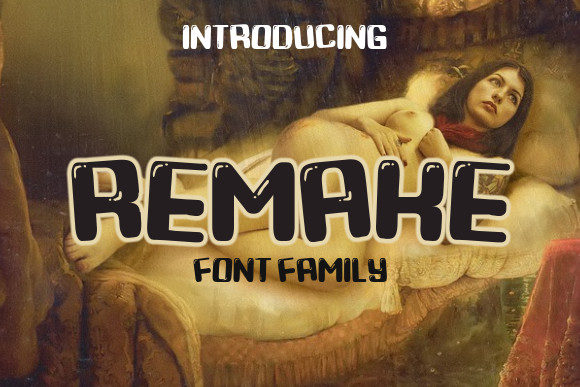
At its core, Remake is defined by its geometric precision and lack of ornamentation. It is not a serif font, nor does it rely on the fluid curves typical of humanist sans-serifs. Instead, it embraces a "squared" aesthetic, where letterforms are constructed from straight lines and sharp angles. This design choice gives the typeface a modern, industrial, and authoritative presence.
The simplicity of Remake is its primary selling point. By stripping away decorative elements, the font achieves a high level of legibility at larger sizes. This makes it particularly effective as a display font—used for headlines, titles, logos, and short bursts of text where impact is prioritized over extended reading. The squared nature of the letters creates a uniform rhythm across a line of text, which can be visually striking when used correctly.
However, this simplicity also dictates its limitations. Because Remake is optimized for display purposes, it may not serve well for body copy or long-form content. The rigid geometry can become fatiguing to read over extended periods, lacking the subtle variations in stroke width that guide the eye in traditional body text fonts.
Key Benefits for Designers
When considering Remake for a project, several practical benefits stand out. These advantages make it a strong candidate for specific types of design challenges.
- Visual Impact: The squared letterforms create a bold, confident look. In marketing materials, posters, or website headers, Remake commands attention without requiring complex graphic treatments.
- Versatility in Branding: Its neutral yet distinctive character allows it to fit into various brand identities, from tech startups looking for a modern feel to creative agencies seeking a structured, architectural vibe.
- Ease of Pairing: Because Remake is visually dominant, it pairs well with simpler, more understated fonts for body text. Designers often pair it with clean sans-serifs or elegant serifs to create contrast between hierarchy levels.
- Modern Aesthetic: The geometric nature of Remake aligns with contemporary design trends that favor minimalism and clarity. It avoids the nostalgia associated with retro fonts while maintaining a timeless quality due to its basic construction.
Tradeoffs and Considerations
No typeface is universally suitable, and Remake is no exception. Understanding its tradeoffs is crucial for avoiding misapplication in design projects.
Legibility Constraints: As noted, Remake is best suited for short texts. Using it for paragraphs or dense information can hinder readability. Designers must be disciplined in reserving Remake for headings and labels, ensuring that supporting text is handled by a more readable alternative.
Tone Limitations: The squared, geometric style conveys strength, stability, and modernity. However, it may not be appropriate for brands seeking warmth, approachability, or elegance. For instance, a luxury boutique or a children’s brand might find Remake too cold or rigid for their voice.
Spacing Challenges: The uniform width of squared letters can sometimes lead to awkward spacing issues, particularly with certain letter combinations. Designers need to pay close attention to kerning and tracking to ensure the text looks balanced. Automatic spacing tools may not always account for the unique visual weight of Remake’s characters.
When to Choose Remake
Remake shines in scenarios where visual hierarchy and immediate recognition are paramount. Consider using Remake in the following situations:
- Headlines and Titles: For blog posts, articles, or landing pages, Remake can effectively draw the reader’s eye to key messages.
- Logo Design: Its geometric simplicity makes it adaptable for logo marks, especially for companies in technology, architecture, or fashion.
- UI Elements: Buttons, navigation bars, and form labels can benefit from the clarity and structure Remake provides, enhancing user interface usability.
- Event Posters and Flyers: The bold nature of the font ensures that event details stand out, making it ideal for print media where visibility is key.
Alternatives to Consider
While Remake offers a unique aesthetic, other fonts may better suit different design requirements. Evaluating alternatives can help refine your selection process.
If you need a typeface that maintains geometric purity but offers greater flexibility for body text, consider exploring Helvetica Now or Inter. These fonts provide a similar modern feel but are optimized for both display and reading.
For a softer, more humanist approach, Gotham or Avenir might be preferable. These fonts retain clarity and structure but introduce subtle curves that enhance readability and warmth.
If the squared aesthetic is desired but with more historical context, Futura or Century Gothic offer classic geometric designs that have stood the test of time. These options may provide a more refined look for high-end branding.
Practical Decision-Making Insights
To determine if Remake is the right choice for your project, ask yourself the following questions:
- What is the primary use case? If the font will be used primarily for headlines and short text, Remake is a strong contender. If it needs to handle large blocks of text, look elsewhere.
- Does the brand tone match? Evaluate whether the brand’s personality aligns with the bold, structured, and modern vibe of Remake.
- How will it pair? Sketch out potential pairings with body text fonts to ensure visual harmony and contrast.
- Is legibility a priority? Test the font at various sizes and distances to ensure it remains clear and readable in its intended context.
By carefully assessing these factors, designers can leverage Remake’s strengths while mitigating its limitations. Whether used for a bold logo or a striking headline, Remake offers a versatile tool for creating impactful visual communications. Ultimately, the decision to use Remake should be driven by the specific needs of the project and the desired emotional response from the audience.