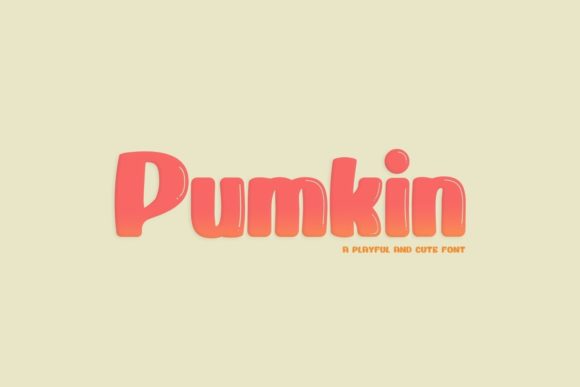
Pumkin: Strategic Typography for Bold, Adaptable Design
In the landscape of digital and print design, typography is rarely just about readability; it is a primary vehicle for brand personality, user experience, and strategic communication. While many designers default to safe, neutral sans-serifs or traditional serifs, there are moments when a project demands immediate visual impact and distinct character. This is where Pumkin enters the conversation. As a cool, bold, and highly adaptable display font, Pumkin offers more than aesthetic flair—it provides a tool for making deliberate design decisions that enhance creation across various professional contexts.
For entrepreneurs, marketers, educators, and creators aged 20 to 50, the choice of typeface can influence how an audience perceives credibility, innovation, and approachability. Pumkin’s unique structure allows it to function as a powerful asset in your font library, capable of elevating everything from social media campaigns to long-term branding materials. However, using a display font effectively requires moving beyond impulse and toward intentional strategy.
Understanding the Strategic Value of Display Fonts
Before diving into the specific mechanics of Pumkin, it is essential to understand why specialized display fonts matter in modern design workflows. In an era of information overload, static text often fails to capture attention quickly enough. A well-chosen display font acts as a visual anchor, guiding the eye and setting the tone before a single word is read. It communicates mood, energy, and intent instantly.
Pumkin is designed with this principle in mind. Its "cool" and "bold" attributes suggest a contemporary edge that resonates with audiences seeking freshness and confidence. Unlike decorative fonts that sacrifice legibility for style, Pumkin strikes a balance. It remains readable at larger sizes while offering enough geometric variation to feel dynamic. For professionals looking to improve their output quality, incorporating such versatile typefaces can streamline the creative process by providing ready-made visual hierarchy.
The Role of Adaptability in Modern Workflows
One of the most significant challenges designers face is maintaining consistency across multiple platforms—from high-resolution print materials to low-resolution mobile screens. A font that lacks adaptability often breaks down under these varying conditions, leading to fragmented brand experiences. Pumkin’s adaptability makes it a practical choice for cross-platform projects.
- Versatility in Application: Whether used for headlines on a website banner or titles in a PDF report, Pumkin maintains its structural integrity.
- Brand Cohesion: By using a single, strong display font for key messaging elements, brands can create a recognizable visual signature without relying on complex graphic overlays.
- Creative Efficiency: Having a reliable display font reduces the time spent searching for suitable alternatives, allowing creators to focus on content strategy and layout.
When to Deploy Pumkin for Maximum Impact
Not every piece of content requires a bold display font. Overusing Pumkin can lead to visual fatigue, diminishing its impact over time. Strategic deployment involves understanding context. Pumkin shines brightest when used sparingly to highlight critical information or to establish a strong thematic foundation.
Branding and Identity Systems
For small business owners and freelancers building a new identity, Pumkin can serve as a cornerstone for logo design or brand mark integration. Its bold nature conveys stability and strength, which are desirable traits for companies wanting to appear established yet modern. However, it should be paired with simpler body fonts to ensure accessibility and ease of reading for longer texts.
Consider a startup launching a tech-focused product. Using Pumkin for the tagline or main header can inject energy and innovation into the visual identity. The font’s slight irregularities add a human touch, preventing the brand from feeling too corporate or sterile. This subtle nuance helps connect with users on an emotional level, fostering trust and engagement.
Marketing Materials and Campaigns
Marketers often struggle with creating assets that stand out in crowded feeds. Social media graphics, email headers, and promotional banners benefit greatly from the visual weight of Pumkin. Because it is bold, it commands attention even at smaller sizes, making it ideal for call-to-action buttons or urgent announcements.
However, strategic planning is required here. A common mistake is letting the font dominate the entire composition. Instead, use Pumkin to frame the message. Let it handle the headline, while clean, neutral sans-serifs manage the supporting details. This contrast creates a clear visual hierarchy, guiding the viewer’s eye through the most important information first.
Educational and Editorial Content
For educators, bloggers, and publishers, clarity is paramount. Yet, monotony can disengage readers. Pumkin can be used strategically to break up dense text. Section headers, pull quotes, and chapter titles rendered in Pumkin can add rhythm to long-form articles or course materials. This variation keeps the reader engaged and aids in information retention by providing visual cues about content structure.
Planning Your Typography Strategy
Integrating Pumkin into your workflow is not just about selecting a font file; it is about planning how it fits into your broader communication goals. Thoughtful planning ensures that the font supports your objectives rather than distracting from them.
- Define the Tone: Ask yourself what emotion you want to evoke. Is it excitement? Authority? Playfulness? Pumkin leans towards boldness and coolness, so ensure this aligns with your brand voice.
- Establish Hierarchy: Determine which elements need emphasis. Reserve Pumkin for top-level headings or key phrases. Avoid using it for body copy, as its distinctive shape can hinder readability over long passages.
- Test Across Mediums: Before finalizing any design, preview Pumkin in different contexts. Check how it looks on dark backgrounds, in grayscale, or when scaled down. Display fonts can sometimes lose detail or become illegible if not tested thoroughly.
- Pair Wisely: Select complementary fonts for body text. Since Pumkin is bold and expressive, pair it with simple, understated typefaces. This contrast enhances both fonts, allowing Pumkin to stand out while keeping the overall design balanced.
Risks and Considerations in Font Selection
While Pumkin is a powerful tool, relying on it without clear goals can lead to suboptimal results. One risk is misalignment with the target audience. If your brand aims for elegance, subtlety, or tradition, Pumkin’s bold, modern aesthetic might clash with those values. Understanding your audience’s expectations is crucial.
Another consideration is accessibility. Bold display fonts can sometimes reduce contrast sensitivity for readers with visual impairments. Ensure that text size and color contrast meet WCAG (Web Content Accessibility Guidelines) standards. Using Pumkin for large, high-contrast headings is generally safe, but caution is needed when scaling it down or placing it over complex backgrounds.
Furthermore, avoid treating Pumkin as a universal solution. Every project has unique constraints. In some cases, a custom illustration or a photographic element may communicate the message more effectively than a heavy typeface. Recognizing when *not* to use Pumkin is just as important as knowing when to use it.
Enhancing Creativity and Productivity
Having a robust font library like one that includes Pumkin contributes to professional productivity. When designers have access to high-quality, versatile typefaces, they spend less time troubleshooting layout issues or searching for suitable alternatives. This efficiency translates into faster turnaround times and more resources available for other aspects of the project, such as content development or user research.
Moreover, Pumkin’s adaptability encourages creative experimentation. Its bold nature invites designers to play with spacing, alignment, and layering. These experiments can lead to innovative layouts that differentiate a brand in a competitive market. For hobbyists and creators, this flexibility fosters a sense of ownership and pride in the final output, reinforcing the value of thoughtful design choices.
Long-Term Results Through Intentional Design
The ultimate goal of using Pumkin—or any design element—is to achieve better results. Whether that means higher conversion rates, improved user engagement, or stronger brand recognition, intentionality is key. By viewing Pumkin as a strategic asset rather than a mere stylistic choice, professionals can make decisions that align with their long-term objectives.
Consistent use of Pumkin in appropriate contexts builds familiarity. Over time, audiences begin to associate the font’s bold, cool aesthetic with your brand’s values. This association strengthens brand equity and loyalty. For decision-makers, this means that investing in high-quality typography yields tangible returns by enhancing the overall perception of professionalism and care in your communications.
In conclusion, Pumkin is more than just a font; it is a tool for effective communication. Its cool, bold, and adaptable nature makes it a wonderful asset for anyone looking to enhance their creations. By approaching its use with strategy, planning, and respect for context, you can leverage Pumkin to support your goals, improve your outcomes, and create work that stands the test of time. Whether you are a seasoned entrepreneur or a budding creator, integrating Pumkin thoughtfully into your design process can elevate your work from good to exceptional.