Makeshift: A Playful Display Font for Modern Design
In the landscape of digital typography, finding a typeface that balances professional utility with genuine personality is often a challenge. Many fonts lean too heavily into corporate sterility, while others sacrifice readability for excessive stylistic flair. Makeshift emerges as a compelling middle ground, offering a cool, playful, and friendly display font that serves as an incredible asset to any design library. It is not merely a decorative element; it is a functional tool designed to elevate visual communication without overwhelming the message.
This evaluation explores the practical applications, structural integrity, and aesthetic appeal of Makeshift. By examining its characteristics through the lens of professional design workflows, we can determine how this font fits into the broader ecosystem of creative assets for marketers, educators, freelancers, and small business owners.
Understanding the Core Identity of Makeshift
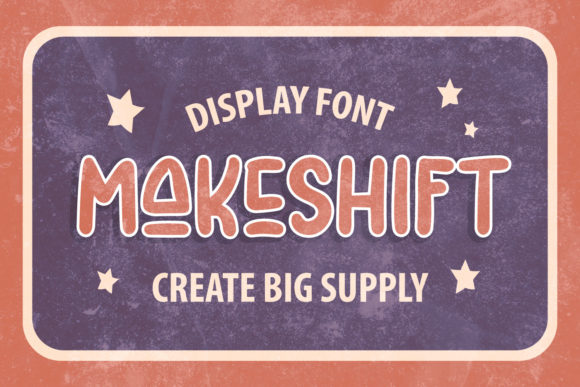
The term "Makeshift" suggests improvisation, resourcefulness, and adaptability. In typography, these concepts translate into a letterform that feels approachable yet distinct. The font’s primary strength lies in its ability to convey warmth and creativity instantly. Unlike rigid geometric sans-serifs or overly ornate serif faces, Makeshift possesses a humanized quality that resonates with modern audiences who are increasingly drawn to authentic, relatable brand voices.
When designers select a display font, they are often looking for a hook—a visual element that stops the scroll or catches the eye in print. Makeshift delivers on this front through its unique character shapes. The glyphs are constructed with a sense of movement and casual confidence. This does not mean the font lacks structure; rather, it implies a deliberate looseness that invites engagement. For professionals working in sectors like lifestyle blogging, independent publishing, or boutique retail, this tone aligns perfectly with the need to connect with consumers on a personal level.
Visual Characteristics and Readability
A critical aspect of any font evaluation is legibility. While display fonts are often used at larger sizes for headlines and titles, they still must maintain clarity. Makeshift achieves this by maintaining open counters (the enclosed spaces within letters like 'e' or 'a') and consistent stroke weights. This ensures that even when set in bold or condensed variations, the text remains easy to parse.
The font’s playful nature is evident in its slight irregularities. These are not errors but intentional design choices that add character. For instance, certain terminals may exhibit a subtle curve or angle that mimics hand-drawn aesthetics without the unpredictability of actual handwriting. This balance allows Makeshift to function effectively in both digital interfaces and physical media. It avoids the trap of looking "cheap" or unpolished, which is a common risk with novelty display fonts.
- Distinctive Glyphs: Each letter has a recognizable silhouette, aiding in brand recall.
- Balanced Weight: The strokes are substantial enough to command attention but light enough to feel airy and modern.
- Versatile Spacing: The default kerning pairs well with standard sans-serif body text, creating a harmonious hierarchy.
Practical Applications in Professional Workflows
To understand the true value of Makeshift, one must look beyond its appearance and consider its performance in real-world scenarios. Typography is rarely used in isolation; it interacts with layout, color, imagery, and copy. Makeshift shines when it is given space to breathe, acting as a focal point rather than background noise.
Branding and Identity
For entrepreneurs and small business owners, establishing a memorable brand identity is crucial. Makeshift offers a distinctive voice that can help differentiate a company in crowded markets. Imagine a local coffee shop, a craft brewery, or a handmade jewelry store using Makeshift for their logo or primary signage. The font communicates craftsmanship, friendliness, and a lack of pretension. It signals to the customer that the brand is accessible and values quality over formality.
However, professionals should exercise restraint. Using a display font for extensive body copy can lead to reader fatigue. The recommendation is to pair Makeshift with a neutral, highly readable typeface for longer passages. This contrast creates a dynamic visual rhythm, guiding the reader’s eye through the content effectively.
Digital Marketing and Social Media
In the fast-paced environment of social media, attention spans are short. Visual hierarchy determines whether a post is engaged with or scrolled past. Makeshift is particularly effective for creating eye-catching graphics for platforms like Instagram, Pinterest, and LinkedIn. Its playful energy aligns well with content that aims to inspire, educate, or entertain.
Marketers and content creators can leverage Makeshift for:
- Headline Graphics: Creating quote cards or inspirational posts where the text is the central image.
- Event Promotions: Adding a festive or energetic touch to flyers and digital banners for workshops, webinars, or local events.
- Email Headers: Breaking up text-heavy newsletters with engaging titles that reflect the brand’s personality.
Educational and Publishing Materials
Educators and publishers often struggle to make learning materials engaging without compromising professionalism. Makeshift offers a solution for textbooks, worksheets, and educational blogs aimed at younger audiences or informal learners. The font’s friendly demeanor reduces the intimidation factor often associated with dense academic topics. It suggests that the material is approachable and fun to explore.
Furthermore, for self-publishers and indie authors, Makeshift can serve as a cost-effective way to produce high-quality cover designs or interior chapter headers. It provides a polished look that competes with traditionally published works, helping independent creators establish credibility in their niche.
Evaluating Quality, Flexibility, and Long-Term Value
When assessing a font for long-term use, several technical factors come into play. Does the font family offer sufficient variety? Is the file quality robust? Does it render consistently across different devices and browsers?
Type Family Versatility
A single weight is rarely sufficient for comprehensive design projects. Ideally, a display font should offer multiple weights (Light, Regular, Bold, Black) and perhaps italic variants. Makeshift benefits from having a range of options, allowing designers to create depth and emphasis. The availability of bold weights is particularly important for ensuring visibility on mobile screens, where text size is constrained.
If the font includes additional features such as ligatures, alternate characters, or numbers, its utility increases significantly. These details allow for more nuanced typographic treatment, enabling designers to fine-tune the aesthetic without resorting to manual adjustments. Consistency in style across all weights is also vital; a disjointed family can undermine the professional appearance of a design.
Technical Reliability
From a technical standpoint, Makeshift should be evaluated based on its encoding and cross-platform compatibility. Standard Unicode support ensures that the font displays correctly on Windows, macOS, iOS, and Android devices. For web designers, proper embedding via @font-face rules is essential to maintain the intended look across different user environments. A reliable font provider will supply well-optimized files that minimize load times, which is critical for SEO and user experience.
Cost vs. Benefit Analysis
Investment in typography varies widely. Some premium fonts cost hundreds of dollars, while others are available for free. Regardless of price, the value proposition of Makeshift lies in its versatility. If a single font can handle logos, headings, social media graphics, and presentation decks, it reduces the need to purchase multiple specialized typefaces. This consolidation simplifies the design workflow and lowers overall licensing costs for freelancers and small agencies.
Limitations and Considerations
No font is a universal solution, and Makeshift is no exception. Its playful and friendly nature makes it less suitable for contexts requiring strict authority or solemnity. Legal documents, financial reports, or news outlets focusing on hard-hitting journalism may find Makeshift too casual. In these industries, trust and seriousness are paramount, and a more traditional serif or neutral sans-serif would be a safer choice.
Additionally, designers should be mindful of overuse. Because Makeshift is visually strong, relying on it for every headline can create a monotonous experience. Variety is key to good design. Mixing Makeshift with other complementary typefaces can enhance the overall composition and prevent visual fatigue.
Conclusion: Who Should Choose Makeshift?
Makeshift is a strategic addition to a designer’s toolkit for those seeking to inject personality and warmth into their work. It is ideal for brands and individuals who want to appear approachable, creative, and modern. Whether you are a freelancer designing a portfolio, a marketer crafting a campaign, or an educator creating engaging materials, Makeshift provides the visual language to communicate your message effectively.
Its strength lies in its balance—playful without being childish, distinctive without being distracting. By understanding its strengths and limitations, professionals can deploy Makeshift with confidence, knowing it will elevate their creations and resonate with their target audience. In a digital world saturated with generic templates, choosing a font with character like Makeshift is a step toward standing out authentically.