Evaluating Sublimation Fall for Design Projects
In the expansive ecosystem of digital typography, designers and content creators are constantly searching for typefaces that offer both distinct character and functional versatility. Among the myriad options available, Sublimation Fall has emerged as a specific choice for those seeking a particular aesthetic: a cute and thin lettered display font. While it may not be a workhorse body text solution, its unique visual profile makes it a noteworthy asset in a well-curated font library. This evaluation explores the characteristics of Sublimation Fall, analyzing its potential applications, limitations, and the specific contexts where it shines.
Understanding the Visual Identity of Sublimation Fall
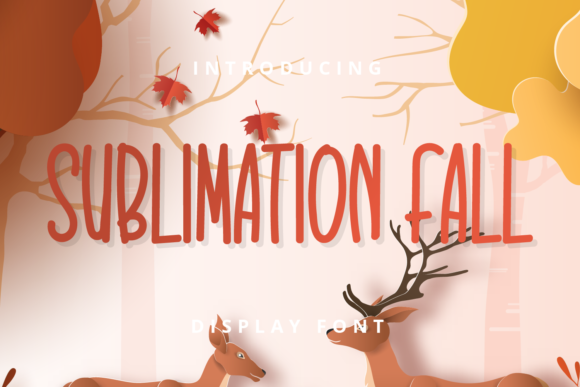
To make an informed decision about incorporating Sublimation Fall into a project, one must first understand its fundamental design language. As described by its creator and users, the font is defined by two primary attributes: it is "cute" and "thin." In typographic terms, "cute" often refers to rounded terminals, soft edges, and a playful proportionality that evokes a sense of approachability and lightness. The "thin" weight class indicates a low stroke width relative to the height of the characters, creating an airy, delicate appearance.
This combination results in a display font that prioritizes mood and style over raw legibility at small sizes. Display fonts are intended to be seen, not read extensively; they serve as visual anchors that set the tone for a piece of communication. Sublimation Fall fits squarely into this category. Its elegance lies in its minimalism—the lack of heavy ink coverage allows other elements in a design to breathe, while its whimsical structure adds a layer of personality without requiring complex imagery.
Why Designers Consider Sublimation Fall
When evaluating a new typeface, the primary driver is usually the need to convey a specific emotion or brand attribute. Sublimation Fall offers several compelling reasons for inclusion in a design toolkit:
- Aesthetic Versatility: Despite its niche description, the font’s neutral yet charming nature allows it to blend with various themes. It can soften the look of modern, minimalist designs or add a touch of femininity to bold, graphic layouts.
- Visual Lightness: In an era where screen fatigue is common, thin fonts provide a visual respite. They reduce the cognitive load of dense text blocks (when used sparingly) and create a sense of openness and clarity.
- Brand Differentiation: For brands aiming to appear gentle, youthful, or sophisticated, standard sans-serif or serif fonts may feel too generic. Sublimation Fall provides a distinctive signature that can help a logo or headline stand out in a crowded market.
Furthermore, the font’s classification as a "display" type means it is optimized for short bursts of text. This efficiency is valuable for designers who need quick, impactful solutions for titles, quotes, or labels without spending hours adjusting kerning or tracking.
Benefits and Practical Applications
The strengths of Sublimation Fall become most apparent when applied to specific use cases. Because it is a thin, cute lettered font, it excels in contexts where warmth and delicacy are desired.
Bridal and Wedding Stationery: One of the strongest fit scenarios for this font is wedding-related design. Invitations, save-the-dates, and menu cards often require a balance of elegance and romance. Sublimation Fall’s thin strokes mimic the precision of calligraphy without the complexity, making it an excellent choice for headers and names.
Lifestyle and Beauty Branding: Brands in the skincare, cosmetics, or wellness sectors frequently utilize soft, approachable aesthetics. A thin, cute font aligns well with marketing materials that aim to communicate purity, gentleness, and care. Using Sublimation Fall for product names or campaign slogans can reinforce these brand values visually.
Digital Headers and Social Media Graphics: On social media platforms, where attention spans are short, eye-catching headlines are crucial. Sublimation Fall’s distinct shape draws the eye, and its thin weight ensures it does not overwhelm accompanying photography. It is particularly effective on Instagram stories or Pinterest pins where text overlays need to be stylish but unobtrusive.
Tradeoffs and Limitations
No typeface is universally applicable, and understanding the limitations of Sublimation Fall is just as important as recognizing its benefits. The very qualities that define its charm—its thinness and decorative nature—also impose strict constraints on its usage.
Legibility Challenges: Due to its thin stroke weight, Sublimation Fall struggles with readability at small sizes. Using it for body copy, paragraphs, or even long subtitles can lead to eye strain and reduced comprehension. It is strictly a display font and should never be relied upon for informational density.
Contrast Requirements: Thin fonts require high contrast backgrounds to remain visible. Placing Sublimation Fall on a light gray background or against a busy image can result in the text disappearing. Designers must carefully consider color pairing and background treatment to ensure sufficient contrast ratios, which is also critical for accessibility compliance.
Overuse Risks: Because the font has a strong personality, overusing it can make a design feel cluttered or overly sentimental. It works best when paired with more neutral, robust fonts. Without a balancing counterpart, a layout relying solely on Sublimation Fall may lack structural integrity and visual hierarchy.
Situations Where Alternatives May Be Preferred
While Sublimation Fall is a wonderful asset for specific niches, it is not the right tool for every job. Evaluating alternatives is necessary when the project requirements shift outside the font’s comfort zone.
If the goal is corporate professionalism, such as annual reports, legal documents, or technical manuals, Sublimation Fall would likely undermine the seriousness of the content. In these cases, a clean, neutral sans-serif like Helvetica or a traditional serif like Garamond would be more appropriate. These fonts prioritize clarity and authority over whimsy.
For high-density information, such as dashboards, data visualization labels, or mobile app interfaces, readability is paramount. A thin, decorative font can hinder user experience in interactive environments where quick scanning is required. Here, a highly legible system font or a geometric sans-serif would serve the functional needs better.
Additionally, if a project requires a bolder, more commanding presence, Sublimation Fall may feel too weak. Logos for sports teams, construction companies, or tech startups often benefit from heavier weights that convey strength and stability. In such instances, exploring bold display fonts or custom logotypes would yield more aligned results.
Practical Decision-Making Insights
Selecting Sublimation Fall ultimately depends on aligning the font’s characteristics with your project’s emotional and functional goals. Before adding it to your library or finalizing a design, consider the following questions:
- What is the primary message? Does the content require a tone of playfulness, elegance, or softness? If yes, Sublimation Fall is a strong candidate.
- Where will the text appear? Will it be viewed on large-format prints, hero banners, or packaging? Or will it be used in small UI elements? Reserve the font for larger, static displays.
- How will it pair? Do you have a complementary font ready? Pairing Sublimation Fall with a simple, medium-weight sans-serif can create a balanced hierarchy that highlights the display font without sacrificing readability.
By treating Sublimation Fall as a specialized tool rather than a general-purpose typeface, designers can leverage its unique "cute and thin" aesthetic to enhance creations effectively. It is a font that rewards thoughtful application, offering a distinct visual voice for projects that value delicacy and charm.